Dr. Burton S. Schuler, podiatrist foot specialist of Panama City Fl has written a new press release concerning the injuries to two NBA players. Joakim Noah of the Chicago Bulls and Paul Gasol of the LA Lakers are both suffering from Plantar Fasciitis and Dr. Schuler writes about a new simple way to treat Plantar Fasciitis.
Plantar Fasciitis of the foot
The plantar fascia is the arch of the foot. It is a thick band that runs along the bottom on the foot, from the heel to the ball of the foot. I When it becomes injured, it becomes swollen resulting in the medical problem known as Plantar Fasciitis .
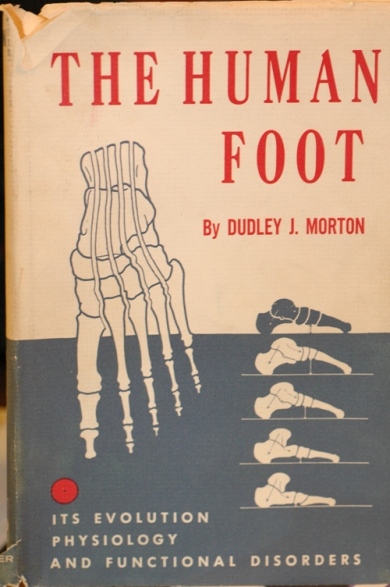
The Human Foot by Dr. Dudley J. Morton, the most important book ever written about the Morton’s Toe
Dr. Burton S. Schuler foot specialist , podiatrist , of Panama City Fl, has published a new press release on the Expertclick wire service that states that Michael Phelps the greatest Olympian of all times has a Morton’s Toe.
Schuler pointed out that while watching the broadcast of the semifinals of the breast stroke NBC showed Phelps’s feet and Schuler saw that his 2nd toe was longer than the first toe. This is the Morton’s Toe. In the press release Schuler points out why the Morton’s Toe could help Phelps in the pool. Continue reading →
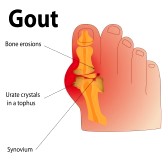
Dr. Burton S. Schuler a podiatrist, foot care specialist of Panama City Fl, has produced a series of five articles and a video. about Gout that appears above Gout is a painful arthritic condition caused by an excess of uric acid in the blood. This final article of the series is about nutritional and natural treatment that the reader might want to consider when they are starting a treatment plan for gout. Dr. Schuler is not advocating the use of any of the below but is presenting them to complement his other articles and his video on gout. He is directing the readers to further investigate them and to consultation with their doctor to use them or not. Swelling of the feet is associated with a acute gouty attack
Nutrition:
Improved nutrition awareness is one basic way to prevent and treat gout. This dictates that gout sufferers’ do not eat anything that will further increase uric acid in their system The nutritional treatment of gout includes avoiding foods and beverages such as alcohol (especially beer), coffee, red meat, all organ meats, meat gravies and broths, sweetbreads, seafood (especially anchovies, mussels, herring, and sardines), spinach, asparagus, mushrooms, beans, lentils, and peas.
On the other hand foods, such as unsweetened cherries, are good for treating gout: “The equivalent of 20 tart cherries inhibits enzymes called cyclooxygenase-1 and -2, which are the targets of anti-inflammatory drugs” In general cherries have also shown promise of being useful in decreasing joint pain in general. This is due to a compound known as anthocyanins that give tart cherries their color are likely responsible for their anti-inflammatory, pain-killing effect.
Vitamins:
Certain vitamin supplements can also lead to high uric acid levels and then cause a gouty attack. These include excessive niacin (vitamin B3), Vitamin C, and salicylates (the active component of aspirin) Two vitamin supplements acknowledged in the successful natural treatment for gout, and should ideally be taken together daily between meals are
200-400 mg of Quercetin (which inhibits uric acid production) and
200-400 mg of Bromelain that Bromelain contains proteolytic enzymes that help to break down proteins into smaller units.
Proteolytic enzymes work as anti-inflammatory agents in the body and are therefore beneficial for reducing the inflammation that is associated with gout. Bromelain may also increase blood flow to the inflamed area, and this can hasten and enhance healing during flare-ups Finally, Bromelain may block the production of kinins, which are substances that are thought to contribute to the swelling, inflammation and pain of gout.
Good Food for Gout
What can you eat that is beneficial for treating gout? Unsweetened cherries can be consumed whole or as a juice (see above). Also, milk, non-fermented milk products, cottage cheese, mozzarella, whey protein, egg whites, and pulp-free fruit juices are all very safe and do not exacerbate gout symptoms. But perhaps one of the most important remedies for treating gout is also one of the most readily available: water.
Water:
The National Institute of Arthritis and Musculoskeletal and Skin Diseases (a government agency) suggest one of the easiest ways to treat a gout attack at home is by increasing your water intake. Many people drink coffee, soda, and energy drinks which do little to replenish kasino necessary bodily fluids, and they may, in fact, contribute to overall dehydration. Drinking more non-caffeinated fluids, especially water, will increase your urine output. Increased urine out can help flush excess uric acid out of the body, thus eliminating the essential factor that causes gout: excessive uric acid levels. At minimum, it is suggested to drink 64 ounces of water a day or more for general health, and especially if you suffer from any number of painful conditions, such as gout.
Apple Cider:
In addition to increasing your water take, supplementing apple cider vinegar in your diet can also be a positive remedy for treating gout. Apple cider vinegar is a known natural treatment for many conditions. In Alkalize or Die, Theodore A. Baroody argues that apple cider vinegar can help shift the scale from a pH balance that”s acidic–causing gout–toward alkalinity. “Baroody says drinking apple cider vinegar can break up uric acid crystals and prevent them from reforming in the joints. If you use apple cider vinegar to treat gout, you may notice an increase in symptoms, at least initially…this occurs because the uric acid causes some inflammation as the crystals dissolve, and these symptoms should subside within a few weeks (
Finally, the benefits of epsom salt soaks can not be overlooked. In a new 2012 article Epsom salts was presented as a possible treatment for gout. It is made from magnesium and sulfate, which are both very beneficial minerals used in natural Magnesium helps relieve muscle inflammation and pain: it also regulates electrolytes while improving nerve functioning. Sulfates aid in the flushing of bodily toxins and help form joint proteins that ameliorate painful arthritic conditions such as gout.
Whether you try one or all of these natural/ home remedies for treating gout, the above suggestions, in consultation with your physician, should get you started on your path to recovery. Of course do not over look all of the medications availably for gout, but again talk to your physician first.
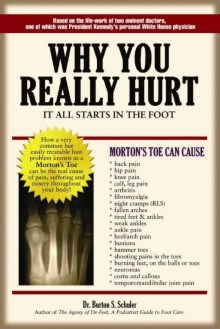
Dr. Burton S. Schuler is a foot doctor, foot specialist (Podiatrist), of Panama City, Fl and the director of the Ambulatory Foot Clinics Podiatric Pain Management Center. He is also the author of the new book Why You Really Hurt: It All Starts In The Foot
In his previous You Tube Video and article about gout, Dr. Burton S. Schuler stated that gout is a form of painful arthritis caused by high uric acid levels in the blood, which affects joints, especially the big toe joint of the feet. Schuler also says that the pain in the joint occurs when it becomes inflamed with “gouty crystals” that settle into joint spaces. (See Merck Manual.) . Since high uric acid levels cause this painful condition, the treatment goal is to block or lower uric acid levels through nutritional or medication. The aim of this article is to discuss the types of medication used for treating gout. Dr. Schuler’s next article will be about nutritional treatments for gout.
Colchicines has already been written about in a separate article by Dr Schuler. So the other drugs for gout will be discussed here.
Allopurinol (Zyloprim): This drug is used millions of times aday for the long term treatment of gout. According to the National Institute of Health, Allopurinol is in a class of medications called xanthine oxidase inhibitors, which help reduce the production of uric acid in the body It works by inhibiting the synthesis of uric acid and it is linked to vascular inflammation, and liver toxicity. These side effects require periodic liver enzyme and renal function tests and complete blood counts for patients on Allopurinol. . Allopurinol is also said to cause gastrointestinal intolerance, such as nausea and diarrhea, and rash develops in about 2% of its users. Also, Allopurinol hypersensitivity syndrome which is a serve allergic reaction remains a major concern among physicians because it can be life threatening. Allopurinol is also sometimes used to treat seizures, pain caused by pancreas disease, and certain infections. It is also sometimes used to improve survival after bypass surgery, to reduce ulcer relapses, and to prevent rejection of kidney transplants. Odd Facts: It can take many weeks/months before you feel better from taking this drug. . During that time your physician may start you on colchicine to prevent you from having a gouty attacks.
Newer Drugs:
Uloric: According to the drug’s website, this relatively new and more effective drug is the first FDA approved for gout in forty years. The drug’s goal is to stop the body’s transformation of purines into uric acid. When compared with Allopurinol in clinical studies, patients taking 40mg of Uloric reached healthy uric acid levels as those on Allopurinol, and “Up to twice as many patients on Uloric 80 mg reached a healthy uric acid level as those on Allopurinol” They also claim that when again compared to Allopurinol, more patients’ with mild to moderate kidney problems reached healthier uric acid levels with Uloric. Also, Uloric can be said to be more convenient than Allopurinol since it is taken only once a day, almost anytime, while Allopurinol’s equivalent effective dosage requires taking a pill four times a day, with recommended dosages imbibed after meals for optimal effectiveness.
Lesinurad: But for some gout sufferers, the side effects of both Allopurinol and Uloric are too severe for comfort. In June, 2012, Andrea Biosciences, Inc. announced a preliminary study on a new drug, Lesinurad, intended for gout patients who exhibit intolerance to xanthine oxidase inhibitors like Allopurinol or Uloric According to the Lesinurad clinical trial announcement, 20% of patients report side effects with Allopurinol and 5% discontinue Allopurinol due to these side effects
Febuxostat: Is another new drug in clinical trials that has shown a similar profile to Allopurinol. Liver function abnormalities, nausea, arthralgia and rash were the most commonly reported problems” (http://clinicaltrials.gov/ct2/show/NCT01508702).
Other Drugs: Research to develop medicines that treat gout symptoms is ongoing, and scientists are also studying which medicines most safely lower uric acid levels. For example, a drug called Cozaar (Losartan) is used to treat high blood pressure, and it also lowers uric acid levels. Fenofibrate is used to control certain fats in the blood, and it may increase the kidney’s ability to eliminate uric acid (http://www.medicinenet.com/fenofibrate-oral/article.htm). A new medicine, a Urate oxidase; that may change uric acid into an absorbable molecule is now under investigation There is also a new class of drugs, called Y-700 medicines that decreases the amount of uric acid the body makes, that are also being evaluated.
Dr. Burton S. Schuler is a foot doctor, foot care specialist (Podiatrist), of Panama City, Fl and the director of the Ambulatory Foot Clinics Podiatric Pain Management Center.He treats patients with gout on a regular basis. He is also the author of the new book Why You Really Hurt: It All Starts In The Foot
This is the first in a series of articles I will write about the drugs for treating gout.
Colichicine is the first drug used in the treatment of a acute gouty attack Gout is a metabolic condition caused by an elevation in uric acid in the bloodstream. This increase can lead to a abnormal deposit of painful urate crystals in and around joints, and in soft tissue structures, Gout is the most common form of crystalline arthritis.
A gouty attack is incredible painful. It is not just painful but among the most painful conditions you can get. It occurs most commonly in the big toe joint with the foot becoming red hot and swollen, with limitation of motion. The classic time for an attack of gout is early morning or late night. The underlying cause for this is due to reabsorption of excess joint fluid at night, that results in the increase deposit of the very painful uric acid crystals into the joint. You see if there is more fluid in the joint the urate crystal are in a liquid state and are less likely to become painful because as a liquid they are floating around in the joint and not cutting into the joint . Most patients are men between the ages of 30-60, most commonly around 50.
History. Colchicine is from the plant Colchicum autumnale that is found in the Colchis area of Asia. Colchicine was introduced for the therapy of acute gout by Anton von Storck in 1763,. Benjamin Franklin, had gout, and was reputed to have introduced colchicine as a therapy in the United States. Colchicine is a one of a kind anti-inflammatory drug, It’s single real use is for the treatment and prevention of gout and gouty arthritis Historically gout was divided into primary and secondary phases.. Colchicine is used in the first phase which is the acute, crushing pain when gout first hits. It gives dramatic relief from this crushing pain Four drugs of proven value are available and commonly used during the first phase, : colchicine, phenylbutazone, indomethacin, and corticosteroids (or ACTH). The second phase of the treatment of gout is the long term management to prevent gouty attacks from coming back which I will write about in the future.
The aim of Colchicine therapy is to reduce the severity of the gouty pain and quickly terminate the acute inflammatory process associated with it. The patient should also rest as much as possible during this attack and immobilized and protected the effected area.
Colchicine is also unique in that if the diagnosis is in doubt, a clear-cut response to colchicine is still widely used as confirmatory evidence of gout.
The response to this drug is often dramatic. Joint pains and swelling begin to subside approximately twelve hours after the institution of therapy and in most instances pain is completely relieved in from one to two days. Over 95 per cent of acute attacks are materially benefited by a single course of colchicine. The response to colchicine is often disappointing if the drug is started several days after the onset of acute symptoms; relief is usually prompt if therapy is begun at the very onset of the attack. Should no benefit occur, a second course can be given after an interval of three days; repetition sooner might precipitate marked gastrointestinal symptoms.
ACTION AND DOSE: . The patient should start taking the drug at the first appearance of symptoms of a gouty attack. Delay of a few hours in the treatment after the onset of acute gouty pains may increase the severity and prolong the duration of the acute episode.The normal way you take Colchicine for a acute gouty attack is one or two .5 mg pill every 2 hours until pain decreases or until diarrhea, nausea or vomiting occurs. The average attack of gout requires approximately 10-12 tablets to suppress inflammation within 24 hours.
SIDE EFFECTS: There are many side effects The most common side effects of colchicine are nausea, vomiting, abdominal pain, diarrhea difficulty breathing; swelling of your face, lips, tongue, or throat.. Colchicine also may cause hair loss, weakness, and nerve irritation. All patients taking colchicine long-term require monitoring of their blood counts because it can cause damage to their bone marrow causing severe anemia, low white blood counts, and low platelets. Reduced white blood cell counts may increase the risk of infections. Colchicine also may cause muscle pain (myopathy) or severe muscle breakdown (rhabdomyolysis). Patients with renal or liver dysfunction or taking some other drugs (for example, simvastatin and other statins, gemfibrozil, fenofibrate), which also affect muscle tissue, are at a higher risk of developing rhabdomyolysis.
Grapefruit and grapefruit juice may interact with colchicine and lead to potentially dangerous effects; be sure to ask your doctor about this.
DRUG INTERACTION: Colchicine can interact with many drugs. . Tell your doctor about all other medications you use, especially: cholesterol-lowering medicines such as atorvastatin (Lipitor), fenofibrate (Antara, Lipofen, TriCor), digoxin (Lanoxin, digitalis);gemfibrozil (Lopid), simvastatin (Zocor), lovastatin (Mevacor), pravastatin (Pravachol), and antibotices such as erythromycin
For more information about gout here is a video by Dr. Burton S. Schuler
Dr. Burton S. Schuler is a foot doctor, foot specialist (Podiatrist), of Panama City, Fl and the director of the Ambulatory Foot Clinics Podiatric Pain Management Center. He is also the author of the new book Why You Really Hurt: It All Starts In The Foot
During your life if you ever experienced a burning sensation on the bottom of your feet, it might be due a medical condition known as Metatarsalgia . Metatarsalgia is a term for foot pain and or burning on the ball of the feet that intensifies when walking or running on hard surfaces; numbness or tingling sensations in the toes; pain when walking barefoot. It is also a major cause of swelling of the feet
It is not usual for these burning discomforts to start on the balls of the feet and then spread into the toes or up the legs. Many patients have these leg problems, and it disturbs their sleep. In a new 5 minute video national known podiatrist, foot specialist Dr. Burton S. Schuler of Panama City, Fl , ( director of the Ambulatory Foot Clinics Podiatric Pain Management Center), has produced another new video metatarsalgia for the public. Schuler is also the author of the 2009 book Why You Really Hurt: It All Starts In The Foot which is the story of the Morton’s Toe and how it can cause pain thru out the whole body
This video about this is just one in the ongoing videos Dr. Schuler plans to presents to the public concerning the foot and all of it problems. Schuler stated
” it is our aim to have eventfully one of the largest video library s available concerning the human foot and its problems”
A simple bunion is an abnormal bump of bone that is formed at the head of our old friend, the first metatarsal bone. The bunion can either be on the top or side of the first metatarsal bone. In a more advanced bunion deformity, called Hallux Abducto Valgus, there starts to be a movement of the big toe toward the second toe. The most severe bunion is when the first toe not only moves toward the second toe, but it overlaps or underlaps the second toe. Bunions can cause swelling of the feet to occur.
Mild bunions are abnormal “bumps of bone” formed on the side of the big toe joint or on the top of the big toejoint.
If untreated, a bunion can ultimately lead to a more serious arthritic condition of the joint or to a serious dislocation of the great toe causing overlapping or underlapping of the big toe onto the 2nd toe. This problem has the medical name of Hallux Abduto Valgus. Even a mild bunion can make you walk improperly, which in turn can lead to pains of your arch, leg and or back. After treating patients for over a third of a century I feel the number one reason for a person to have bunions is due to a Morton’s Toe caused by Inheritance. (see Video below) We inherit our feet from our parents the same way we inherit many other traits. If mom or dad had a foot that was prone to forming bunions, you will have the tendency to acquire the same type of foot. It is not usual to see three generations of a family with the same type of bunion problems. To a much lesser extent poor posture and ill-fitting shoes may also be responsible for the formation of a bunion.
Another type of bunion which some patients experience is what is known as a TAILOR’S BUNION or Bunionette. It is located on the opposite side of the foot where bunions normally appear, around the little toe joint, and emerges as something of a smaller bump, then the regular bunion. In its early stages, the measures for relieving bunion pain at home are relatively uncomplicated. Warm water foot soaks may bring considerable, although transitory relief, as does cutting shoes out over the bunion. If conservative measures do not relieve the pain and deformity, it may be time to refer your bunion problem to your podiatrist. Please do not assume foot surgery is automatically needed to treat bunion problems. In fact foot surgery for bunions should always be a last resort. There are many ways to treat them without surgery. Such treatments as Physical Therapy, Orthotics, padding and strapping (to treat the Morton’s Toe), and medications have proven to be some of the highly successful non-surgical treatments used in the Ambulatory Foot Clinic to treat bunions.
Just last year the American College of Rheumatology (ACR) proposed new, easier to apply diagnostic criteria for FMS that take into account common symptoms such as fatigue, sleep disturbances, and cognitive problems, as well as pain” (http://updates.pain-topics.org/2011/04/overcoming-barriers-to-managing.html). Since diagnostic criteria are constantly in flux, patients, who continue to experience pain, are left to their own devices in many circumstances. Thus, they may be more likely to turn to medical remedies that are “off the beaten path,” according to the article.
In a recent article, “Overcoming Barriers to Managing Fibromyalgia” the author summarizes some of the challenges that newly diagnosed people experience (http://updates.pain-topics.org/2011/04/overcoming-barriers-to-managing.html). As it turns out, one of the biggest let downs for patients seeking relief from Fibromyalgia, a condition that has them experiencing chronic pain throughout their bodies, is that modern medicine does not provide them with quick relief. The condition is definitely a medical conundrum, leaving some health practitioners to see it more as a mental or behavioral issue that a physical issue as such.
One unconventional medical issue to consider if you have Fibromyalgia is whether or not you have a short first metatarsal bone: also known as “Morton’s Toe.” According to Panama City, Florida podiatrist, Dr. Burton S. Schuler https://www.footcare4u.com/category/about-dr-schuler/ , who has treated patient for decades in his Northern Florida podiatry practice, there is a possible link between Morton’s Toe and Fibromyalgia since improper foot alignment can be a major medical issue—leading to many long term health problems. While the cause of Fibromyalgia is not known—and some medical experts believe the diagnosis is simply a cluster of symptoms—Schuler has successfully treated Fibromyalgia sufferers with a short metatarsal bone with a simple toe pad under the big toe . But he warns the pad is not a miracle pain cure and should be used cautiously and with medical oversight.
The toe pad works to correct the foot’s overpronation, as it makes contact with the ground According to Schuler, pronation is one of the most important terms related to how the foot operates: “Pronation allows the shock of our body weight to be absorbed when the foot meets the ground. Pronation also makes it possible for the foot to adapt to all of the different surfaces we walk on.”
Consideration that overpronation of your feet, caused by a short first metatarsal bone, can be linked to muscle pain elsewhere in your body may be good news for those who suffer from the stigma related to fibromyalgi
About the Author: Dr. Burton S. Schuler foot doctor, foot specialist, podiatrist of Panama City, Fl and the director of the Ambulatory Foot Clinics Podiatric Pain Management Center and is a leading authority on the Morton’s Toe, Long Second Toe and it associated problems. He is the author of the newly published book about The Morton’s Toe, Why You Really Hurt: It All Starts In the Foot. The book is published by the La Luz Press, Inc and is disturbed national by the Cardinal Publishing Group. Why You Really Hurt: It All Starts In The Foot, is the story of how one bone in your foot could be the real reason for pains thru out your whole body. It is important because it offer the public new information about why millions of people suffer everyday with aches and pains, and offers new hope to get rid of problems they believed they would have to live with forever. It literally can be the “medical missing link”
Dr. Schuler, graduated from the N. Y. College of Podiatric Medicine in 1975 at the age of twenty-four, and has been in private practice ever since. In 1982, he published his first book, The Agony of De-Feet: A Podiatrist Guide to Foot Care. During his thirty-five year professional career, he has written for Collier’s Encyclopedia and various podiatric journals and publications. He has been interviewed by The New York Times, First in Women, and other publications. Dr. Schuler has appeared on hundreds of radio and television programs both here and aboard. He is a Diplomate of the American Academy of Pain Management, and the National Board of Podiatric Examiners. Dr. Schuler is certified as a wound specialist from the American Boardof Wound Management. His professional and civic accomplishments have earned his inclusion in the 1999-2002 Who’s Who in America (Marquis).
Office of Dr. Burton S. Schuler foot specialist, podiatrist, foot doctor, Panama City Fl
This is an article about Fibromyalgia written by Dr. Burton S. Schuler, foot care specialist , podiatrist , foot doctor of Panama City Florida reviewing new published information about fibromyalgia
Just last year the American College of Rheumatology (ACR) proposed new, easier to apply diagnostic criteria for FMS that take into account common symptoms such as fatigue, sleep disturbances, and cognitive problems, as well as pain” (http://updates.pain-topics.org/2011/04/overcoming-barriers-to-managing.html). Since diagnostic criteria are constantly in flux, patients, who continue to experience pain, are left to their own devices in many circumstances. Thus, they may be more likely to turn to medical remedies that are “off the beaten path,” according to the article.
In a recent article, “Overcoming Barriers to Managing Fibromyalgia” the author summarizes some of the challenges that newly diagnosed people experience (http://updates.pain-topics.org/2011/04/overcoming-barriers-to-managing.html). As it turns out, one of the biggest let downs for patients seeking relief from Fibromyalgia, a condition that has them experiencing chronic pain throughout their bodies, is that modern medicine does not provide them with quick relief. The condition is definitely a medical conundrum, leaving some health practitioners to see it more as a mental or behavioral issue that a physical issue as such.
One unconventional medical issue to consider if you have Fibromyalgia is whether or not you have a short first metatarsal bone: also known as “Morton’s Toe.” According to Panama City, Florida podiatrist, Dr. Burton S. Schuler https://www.footcare4u.com/category/about-dr-schuler/ , who has treated patient for decades in his Northern Florida podiatry practice, there is a possible link between Morton’s Toe and Fibromyalgia since improper foot alignment can be a major medical issue—leading to many long term health problems. While the cause of Fibromyalgia is not known—and some medical experts believe the diagnosis is simply a cluster of symptoms—Schuler has successfully treated Fibromyalgia sufferers with a short metatarsal bone with a simple toe pad under the big toe . But he warns the pad is not a miracle pain cure and should be used cautiously and with medical oversight.
The toe pad works to correct the foot’s overpronation, as it makes contact with the ground According to Schuler, pronation is one of the most important terms related to how the foot operates: “Pronation allows the shock of our body weight to be absorbed when the foot meets the ground. Pronation also makes it possible for the foot to adapt to all of the different surfaces we walk on.”
Consideration that overpronation of your feet, caused by a short first metatarsal bone, can be linked to muscle pain elsewhere in your body may be good news for those who suffer from the stigma related to fibromyalgia diagnosis.
( This article was originally published internationally in March 2011)
Why You Really Hurt: It All Starts In The Foot, by Dr. Burton S. Schuler
Heel pain is a general term that includes many different etiologies including: plantar fasciitis, plantar fasia tear, tarsal tunnel syndrome, Baxter’s nerve entrapment, calcaneal stress fracture, calcaneal cysts, soft tissue mass, short flexor tendon tear, gout, and systemic arthritis (lupus, rheumatoid arthritis, psoriatic arthritis). While plantar fasciitis is the most common of these conditions, it is highly possible that heel pain could be something else and thus foot and ankle specialists need to be familiar with the range of possible diagnoses (http://www.mayoclinic.com/health/plantar-fasciitis/DS00508). One problem is that patients do not present right away when experiencing heel pain, unless they have an actual fascial tear that occurs during intense exercise, and is characterized by a “pop” sensation. Patients who have pain but do not experience an intense tear are likely to try many home therapies and endure weeks to months of chronic low-grade pain.
Dr. Burton S. Schuler has treated thousands of heel pain cases in his over 35 years podiatry of practice An author of two books on feet, including his most recent, Why You Really Hurt: It All Starts in the Foot, Schuler links heel pain to a short or hypermobile first metatarsal bone, which is a common condition but not so commonly linked to heel pain. Schuler makes a strong case for this connection between toe length and heel pain. This connection was made earlier by predecessor, Dr. Dudley Morton, who taught at Yale and Columbia medicals schools in the 1920-1940’s; and who wrote extensively about the short first metatarsal bone. This medical condition came to be known as “Morton’s Toe” because of Dr. Morton’s consistent research and writing on the condition (http://whyyoureallyhurt.com/#djm).
The first metatarsal bone is supposed to carry twice the weight as the second. But when it is shorter, it cannot carry this weight, requiring weight to be unevenly distributed and causing the second metatarsal bone to meet the ground before the first. The second metatarsal bone begins to do the first bone’s share of work, which places abnormal stress on many area of the foot—and that pain can spread not only to the legs but throughout the body. Another physician influenced by Dr. Dudley Morton, Dr. Janet Travell, studied how Morton’s Toe can be linked to myofascial pain in the body. Dr. Travell was a White House doctor to both Presidents Kennedy and Johnson, and she had attended Morton’s lectures on the foot (https://www.footcare4u.com/category/dr-janet-travell/). Dr. Morton, Dr. Travell, and their contemporary equivalent, Dr. Schuler, remind us that causes of chronic heel pain can be demystified if we consider the cases of people with short metatarsal bones.
About the Author: Dr. Burton S. Schuler foot doctor, foot specialist, podiatrist of Panama City, Fl and the director of the Ambulatory Foot Clinics Podiatric Pain Management Center and is a leading authority on the Morton’s Toe, Long Second Toe and it associated problems.
Dr. Burton S. Schuler, Podiatrist, Foot Doctor, Panama City Fl
Dr. Burton S. Schuler, Podiatrist, of Panama City Fl writes about the newly published clinical guidelines developed by the American College of Foot and Ankle Surgeons (ACFAS) will help medical practitioners diagnose and treat common foot problems, with the most common being heel pain. Available to download at (http://www.acfas.org), a committee of prominent heel pain specialists helped develop the guidelines. Out of all adult foot complaints, plantar fasciitis constitutes 15% of these complaints. The plantar fascia is a broad ligament connecting the heel to the toes.
(http://www.ncbi.nlm.nih.gov/pubmedhealth/PMH0004438/). This condition, heel pain caused by chronic inflammation of this tissue, is very painful, can lead to spurs (abnormal bone growth that occurs at the bottom of back of the heel) and occurs frequently in adults 40years and older. Overweight people are likely to suffer from plantar fasciitis because their feet suffer from the extra weight. Women are especially prone to suffer from plantar fasciitis, and this is perhaps most likely caused by inappropriate footwear, such as high heels.
Podiatrist Dr. Burton S. Schuler, of Panama City, Fl and author of Why You Really Hurt: It All Starts in the Foot, and The Agony of De-Feet: A Podiatrist’s Guide to Footcare, has practiced podiatry in Panama City, Florida for over 27 years since he graduated from New York College of Podiatric Medicine in 1975 at the age of twenty four. (http://whyyoureallyhurt.com/). During this time, he has treated many patients suffering from plantar fasciitis. He reports that over 90% of his patients with heel pain have a short first metatarsal bone or hypermobility of the first metatarsal bone, also known as Morton’s Toe. Schuler explains the simple connection between heel pain and a short first metatarsal bone. Morton’s Toe destabilizes the front part of the foot, causing the foot to pronate, placing stress on many parts of the foot—including the plantar fascia.
What can you do about a Morton’s Toe? Schuler prescribes a simple $2 toe pad that can be placed beneath the bottom of the first toe in order to help stabilize the front part of the foot: it acts as a platform and removes the slack of the ligaments around the first metatarsal bone (http://whyyoureallyhurt.com/home/#tp). A stable foot properly distributes weight, alleviating the unnecessary stress placed on areas like the plantar fascia, and this in turn reduces or can even eliminate heel pain. Keeping in mind that the success of the treatment depends on many factors, if you suffer from chronic heel pain this is one possible cause that should be considered and treated accordingly.
Unlike adults, heel pain is very uncommon in children. When children do experience heel pain, it is highly likely to be caused by a disturbance to the growth plate in the backof the heel bone (calcaneus), where the Achilles tendon attaches to the heel. This disturbance is known as Sever’s disease or calcaneal apophysitis (inflammation of the growth plate). Sever’s disease is most common between the ages of 10 and 14 years, and it is one of several different ‘osteochondroses’ that may occur in other parts of the body, such as at the knee, such as Osgood-Schlatters Disease
This condition occurs in children because they are still growing and their bodies harbor many “growth plates”. A growth plate, also called an epiphyseal plate, is an area at the end of a developing bone where cartilage cells change over time into bone cells. As this occurs, the growth plates expand and unite, which is how bones grow.
Physically active children run the risk of developing Sever’s disease because they put the most strain on their growing bones. Sever’s usually occurs during the adolescent growth spurt, when young people grow most rapidly. (This growth spurt can begin any time between the ages of 8 and 13 for girls and 10 and 15 for boys.) By age 15 the back of the heel usually finished growing. As teens grow, the growth plates harden and the growing bones fuse together into mature bone.
Young people engaged in physical activities and sports that involve jumping and running on hard surfaces–such as track, basketball, soccer, and gymnastics—are ata higher risk for developing Sever’s disease. Poor-fitting shoes can contribute by not providing enough support or padding for the feet or by rubbing against the back of the heel (http://kidshealth.org/parent/medical/bones/severs_disease.html).
Also, if you have a pronated foot (one that rolls in at the ankle when walking), a flat or high arch, which causes tightness and shortening of the Achilles tendon, one leg shorter than the other (short leg syndrome), or you are overweight, you are also at a higher risk for Sever’s disease.
Even if pain associated with Sever’s disease promises to elide over time through the normal maturation process of fusing bones, an article in Podiatry Today states there are still measures that can be taken to treat Sever’s disease, thus alleviating the pain associated with it
1.) During an initial 2-3 week period I use physical therapy in combination with padding of strapping of the feet.
2.) During the rest and recovery period, one can prescribe analgesics such as non-steroidal anti-inflammatory medications (NSAIDs) along with daily icing to the affected heel.
3.) After the rest and recovery period, the “squeeze test” of the heel should be performed. If pain has elided, treatment should focus on increasing the strength and the biomechanical factors that contributed to Sever’s. At this time, patient can perform low-impact exercises such as the use of a stationary bike (at low resistance) and swimming. They may use a treadmill if their heel is fitted with an appropriate orthoic life that protects strain in places that exacerbate the Sever’s disease.
4.) During the next period— Orthotics with deep heel cups and a rearfoot posting for added motion control can be used.
About the Author: Dr. Burton S. Schuler foot doctor, foot specialist, podiatrist of Panama City, Fl and the director of the Ambulatory Foot Clinics Podiatric Pain Management Center and is a leading authority on the Morton’s Toe, Long Second Toe and it associated problems. He is the author of the newly published book about The Morton’s Toe, Why You Really Hurt: It All Starts In the Foot. The book is published by the La Luz Press, Inc and is disturbed national by the Cardinal Publishing Group. Why You Really Hurt: It All Starts In The Foot, is the story of how one bone in your foot could be the real reason for pains thru out your whole body. It is important because it offer the public new information about why millions of people suffer everyday with aches and pains, and offers new hope to get rid of problems they believed they would have to live with forever. It literally can be the “medical missing link”
Dr. Schuler, graduated from the N. Y. College of Podiatric Medicine in 1975 at the age of twenty-four, and has been in private practice ever since. In 1982, he published his first book, The Agony of De-Feet: A Podiatrist Guide to Foot Care. During his thirty-five year professional career, he has written for Collier’s Encyclopedia and various podiatric journals and publications. He has been interviewed by The New York Times, First in Women, and other publications. Dr. Schuler has appeared on hundreds of radio and television programs both here and aboard. He is a Diplomate of the American Academy of Pain Management, and the National Board of Podiatric Examiners. Dr. Schuler is certified as a wound specialist from the American Boardof Wound Management. His professional and civic accomplishments have earned his inclusion in the 1999-2002 Who’s Who in America (Marquis).
I wrote this in April 2011 for national distribution
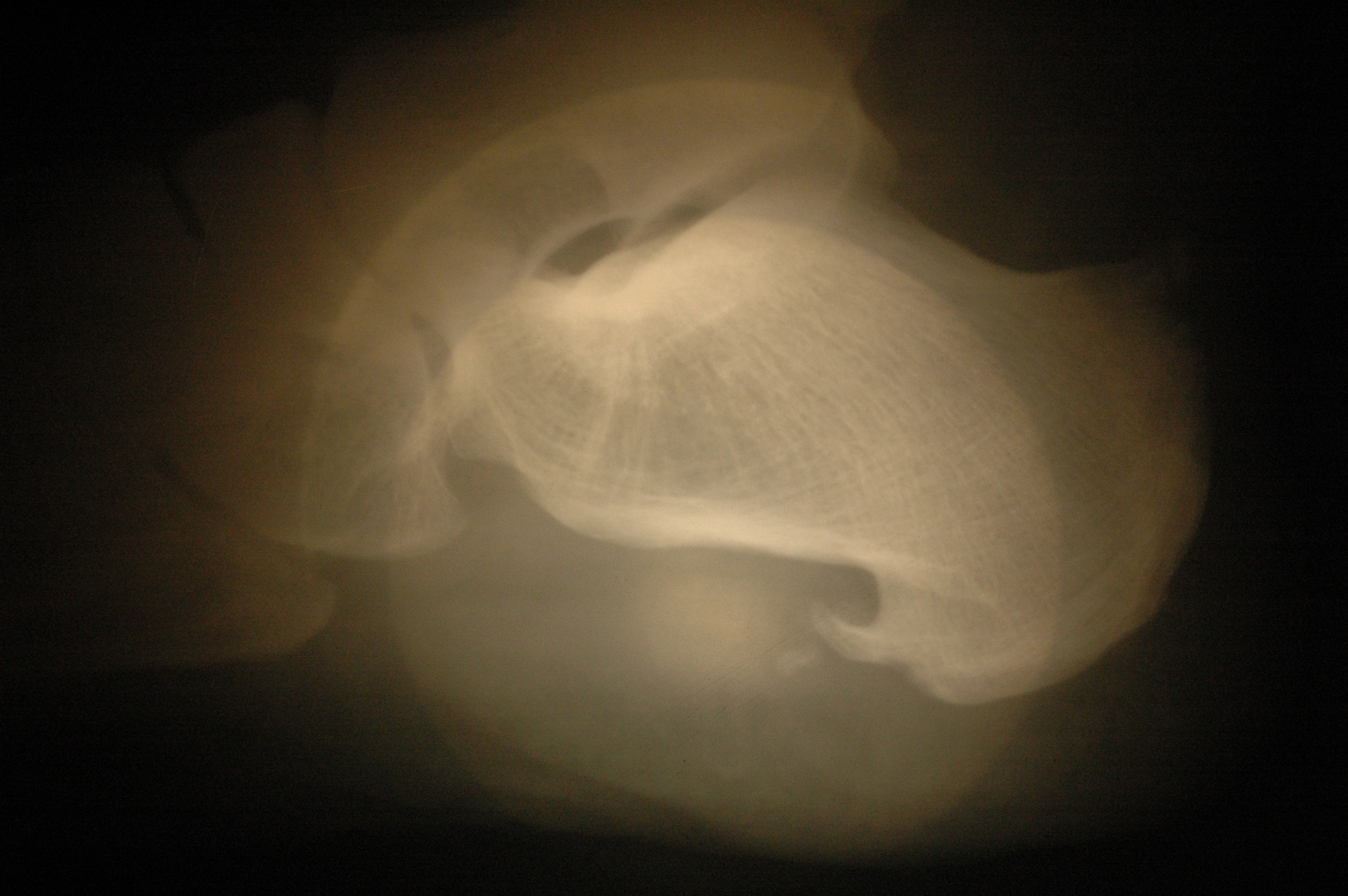
This is a big heel spur, see the hook growing out of the heel
Heel pain is a general term that includes many different etiologies including: plantar fasciitis, plantar fasia tear, tarsal tunnel syndrome, Baxter’s nerve entrapment, calcaneal stress fracture, calcaneal cysts, soft tissue mass, short flexor tendon tear, gout, and systemic arthritis (lupus, rheumatoid arthritis, psoriatic arthritis). While plantar fasciitis is the most common of these conditions, it is highly possible that heel pain could be something else and thus foot and ankle specialists need to be familiar with the range of possible diagnoses (http://www.mayoclinic.com/health/plantar-fasciitis/DS00508). One problem is that patients do not present right away when experiencing heel pain, unless they have an actual fascial tear that occurs during intense exercise, and is characterized by a “pop” sensation. Patients who have pain but do not experience an intense tear are likely to try many home therapies and endure weeks to months of chronic low-grade pain.
Dr. Burton S. Schuler https://www.footcare4u.com/category/about-dr-schuler/ has treated thousands of heel pain cases in his over 35 years podiatry of practice An author of two books on feet, including his most recent, Why You Really Hurt: It All Starts in the Foot, Schuler links heel pain to a short or hypermobile first metatarsal bone, which is a common condition but not so commonly linked to heel pain. Schuler makes a strong case for this connection between toe length and heel pain. This connection was made earlier by predecessor, Dr. Dudley Morton, who taught at Yale and Columbia medicals schools in the 1920-1940’s; and who wrote extensively about the short first metatarsal bone. This medical condition came to be known as “Morton’s Toe” because of Dr. Morton’s consistent research and writing on the condition (http://whyyoureallyhurt.com/#djm).
The first metatarsal bone is supposed to carry twice the weight as the second. But when it is shorter, it cannot carry this weight, requiring weight to be unevenly distributed and causing the second metatarsal bone to meet the ground before the first. The second metatarsal bone begins to do the first bone’s share of work, which places abnormal stress on many area of the foot—and that pain can spread not only to the legs but throughout the body. Another physician influenced by Dr. Dudley Morton, Dr. Janet Travell, studied how Morton’s Toe can be linked to myofascial pain in the body. Dr. Travell was a White House doctor to both Presidents Kennedy and Johnson, and she had attended Morton’s lectures on the foot (https://www.footcare4u.com/category/dr-janet-travell/). Dr. Morton, Dr. Travell, and their contemporary equivalent, Dr. Schuler, remind us that causes of chronic heel pain can be demystified if we consider the cases of people with short metatarsal bones.
About the Author: Dr. Burton S. Schuler foot doctor, foot specialist, podiatrist of Panama City, Fl and the director of the Ambulatory Foot Clinics Podiatric Pain Management Center and is a leading authority on the Morton’s Toe, Long Second Toe and it associated problems.
Here is an article that I wrote several months ago and ran around the country and over seas./
Fibromyalgia, which “is characterized by poor sleep, fatigue, and widespread aching and stiffness in soft tissues, including muscles, tendons, and ligaments” is a controversial condition (http://www.merckmanuals.com/home/sec05/ch074/ch074c.html). Perhaps the best indication of its controversial status is the fact that Dr. Frederick Wolfe, the physician who initially helped coin the term “fibromyalgia” in 1990, retracted his initial belief that it is a disease. Instead, he acknowledges that it is only a clinical term and not a disease as such (http://acupuncturetoday.com/mpacms/at/article.php?id=27576). The drug company Pfizer, which has created Lyrica specifically to treat Fibromyalgia, strongly believes it is a disease and they made 1.8 billion from the drug is 2007. Since then, Cymbalta and Sevella are also available as drugs designed to combat the specific symptoms of Fibromyalgia. Regardless of the real medical status of the cluster of symptoms characterizing the disease, millions of Americans identify as fibromyalgia sufferers and seek treatment.
While drugs may be effective for many, one north Florida (Panama City) podiatrist, Dr. Burton S. Schuler, suggests that the treatment for the chronic pain that characterizes the condition may be found in a simple toe pad placed under the first metatarsal bone of your foot (http://whyyoureallyhurt.com/home/#tp). Why a toe pad, when the pain that many fibromyalgia sufferers report is not isolated in the feet or legs? In Why You Really Hurt: It All Starts in the Foot, Schuler argues that a short first metatarsal bone (longer second toe also known as “Morton’s Toe after Dr. Dudley J. Morton), throws the foot’s natural balance off; this can result in shooting pain in your legs, knees and throughout the body. The toe pad can potentially help restore the foot’s natural balance and function as a shock absorber. Schuler denotes Dr Janet Travell also had a great deal to do with myofascial pain and fibro. In 36 years of practicing podiatry, Dr. Schuler has treated many patients who have been diagnosed with fibromyalgia and also have a short first metatarsal bone (http://whyyoureallyhurt.com/mortons-toe/fibromyalgia/). He claims that the toe pad may not work for everyone but it is definitely worth considering if you suffer from the symptoms associated with Fibromyalgia—whether it is a disease, as some would have it, or a clinical term.
In the spring of 2010, new guidelines for the treatment and diagnosis of plantar fasciitis and heel pain was published by the American College of Foot and Ankle Surgeons . The most common heel pain condition, plantar fasciitis, is an swelling of the plantar fascia, which is the rubber-band like structure that goes from the ball of the foot to the heel. Dr. Burton S. Schuler, foot specialist, podiatrist, foot doctor of Panama City Fl writes that these guidelines are controversial in the physical therapy community because the ACFAS suggests evidence to recommend physical therapy as a treatment protocol. Also, while corticosteroid injections are given an evidence grade of B in the guidelines, many including Dr. Burton S. Schuler, https://www.footcare4u.com/category/about-dr-schuler/ objects to this heavy reliance on injections.
Schuler says “I give injection in my office for heel pain and plantar fasciitist only when a more conservative treatments like physical therapy, padding and strappings and medications, has not work. Most patient appreciate this because most people are not thrilled about getting a needle stuck in their heel”
One thing that can be considered as a treatment for heel pain and plantar fasciitis is to consider whether you have a short first metatarsal bone, which can be treated using a toe pad under the first big toe of each effected foot . This was named “Morton’s Toe” after Dr. Dudley J. Morton who was a renowned physician in the first half of the twentieth century. Morton was the most famous U.S. expert on problems of the human foot. Popular publications such as Reader’s Digest, Time Magazine, and the New York Times regularly quoted and cited him, and his medical books and articles were the leading authorities of their time
Dr. Morton’s research on a second longer toe and heel pain is one topic addressed by Dr. Burton S. Schuler, who practices podiatry in Panama City, Florida, and is one of the country’s leading experts on the Morton’s Toe and how it affects the whole body. He is the author of The Agony of De-Feet: A Podiatrist’s Guide to Foot Care, and Why You Really Hurt: It All Starts in the Foot Schuler’s emphasis on treating heel pain is prevention and early diagnosis and treatment of Morton’s Toe to avoid heel problems overall. While this is not the answer to all heel pain problems, early detection of Morton’s Toe leads to prevention of plantar fasciitis in enough cases to take notice of Morton’s research.
Dr. Burton S. Schuler is a foot doctor, foot specialist (Podiatrist), of Panama City, Fl and the director of the Ambulatory Foot Clinics Podiatric Pain Management Center.
Metatarsalgia is characterized by a pain and/or burning, and/or swelling on the ball of the fore foot. There are five metatarsal bones in our feet. The very end of these bones in the fore foot area is called the “head” of the metatarsal bones. This is what our toe bones are attached to. Classically one or more of these metatarsal heads push down abnormally causing the tissues directly under the 2nd-4th metatarsal bones to start to hurt, burn, or swell. This most often takes place over a prolonged amount of time, of anywhere from months to years.
There are several reasons for this abnormal pressure, but the most common reason is due to the abnormal stress put on the fore foot by Morton’s Toe.
In Morton’s Toe the first metatarsal bone, (this is the one that the big toe bone is attached to), is unnaturally short. Hence resulting in a short 1st toe, or the more classically longer 2nd toe, what is know as “Morton Toe”. Because of this shortness, the 1st metatarsal bone can not support all of the weight Mother Nature intended it to support. This excessive weight has to go somewhere and in the vast majority of the time it is shifted onto the head of the 2nd metatarsal bone. This improper shifting of the weight from the 1st metatarsal bone is what causes all of the pain, swelling and burning in Metatarsalgia, but may also be the cause of a Callus being formed under the metatarsal heads. Morton’s Toe is a Hereditary condition, that is to say you are born with a short 1st metatarsal.
Treatment
I feel the problems seen in Metatarsalgia is mostly likely caused by a short 1st metatarsal bone that we see in Morton’s Toe and must be treated first. Many times you can treat this yourself. In the office we treat Morton’s Toe by using using special padding and strappings, and Physical Therapy to get you out of pain. Once this is accomplished, we will fabricate an Orthotic to rebalance the fore foot and to accommodate for the short 1st metatarsal bone. We have found that by using this treatment protocol, surgery is rarely if ever needed.
The most common reason for people to have foot problems is due to an abnormal amount of a motion of our feet know as Pronation. There are two types of pronation, normal pronation and abnormal pronation
Normal Pronation or just “Pronation”: A certain amount of Pronation is absolutely needed for the human foot to work properly. Pronation (normal Pronation) allows the foot to become a “Bag of Bones” (loose), in order for it to act as a shock absorber so it can adaptor to all of the different walking surfaces we are on. This adaption (pronation) is only supposed take place for a split second. When it goes on longer than that split second is when we start to have a condition known as Abnormal Pronation.
Abnormal Pronation: This is when the foot does not stop pronating when it should. When this happens the entire foot is put under a great deal of stress and strain leading to bunions, corns, hammer toes, s and numerous other foot problems. Having a flat foot is often releated to abnormal pronation when it is really is not. Plantar Fasciitis is most often caused by abnormal pronation.
Supination: This is the opposite movement of pronation. Our foot must be able to “supinate” at the proper time so our foot can push away from the ground. If our foot can’t supinate when it should, because of pronation it can cause all of the above problems
One of the main reasons for abnormal pronation is due to a Morton’s Toe, (see below) which is an Inherited Trait. The long term treatment for abnormal pronation is relatively simply. With an Orthotic we are able to control the abnormal pronator forces in the majority of our patients. Surgery is not needed, but again a orthtic is mantaory if you are going to control the abnormal forces caused by overpronation
WHAT IS A MORTON’S TOE OR LONG SECOND TOE
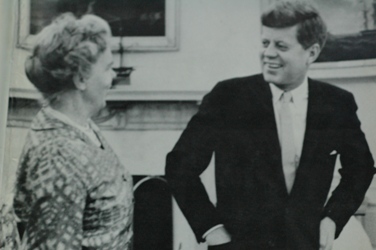
In the 1920’s and 1930”s Dr. Dudley J. Morton of Yale Medical School and Columbia Medical School wrote that a problem with the 1st metatarsal bone, known as a Morton’s Toe could be the reason for most foot problems. Dr. Janet Travel, White House physician to Presidents Kennedy and Johnson, and Professor Emeritus of Medicine at George Washington University took this concept further by writing and teaching that the Morton’s Toe could cause pain all over your body. She wrote and taught for four decades that a Morton’s Toe could cause back, hip, knee, leg foot and ankles problems. She felt that the Morton’s Toe, was so important that at the age of 89 she made a video tape to teach other physicians about how to recognize it and how to treat it.
Dr. Janet Travell with President Kennedy
Morton’s Toe can also cause fibromyalgia, arthritis, sleep disturbances (RLS), temporomandibular joint pain, and numerous other problems through out the body The good news is that all of these problems can be treated with a simple pad that costs about two to three dollars. The bad news is that in spite of the fact that two of the most famous doctors of the twentieth century were behind the Morton’s Toe, most modern day physicians are not aware of Morton’s Toe or of it ability of causing pain all over the body.
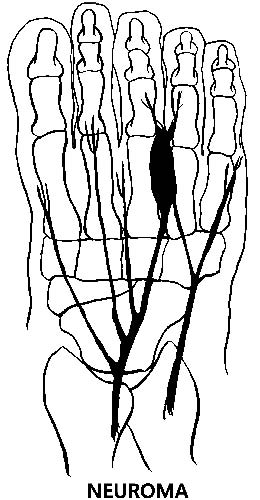
A Neuroma is a non-cancerous nerve tumor of the foot. Commonly called a Morton’s Neuroma, it is a swelling or an inflammation of the nerve. They are most frequently found between one or more of the metatarsal bones (these are the bones on the front part of the foot that the toes attach to) but can form at other locations of the foot including the heel. Frequently, a neuroma causes a Burning Pain which is localized around the ball of the foot, and this burning sensation may eventually turn to pins and needles or a shooting type pain may travel into the toes (most commonly the 3rd and 4th toes, and the 2nd and 3rd toes) or through the rest of the foot. A neuroma may also cause numbness, tingling or cramping into the toes or feet. These unpleasant sensations generally occurs while the person is walking with shoes on or standing for a period of time; and may improve or even disappear once the shoes are removed and the painful area is massaged. In more severe cases these discomforts can even radiate up the leg. The leading cause of neuroma is abnormal function of the foot which improperly causes the metatarsal bones to squeeze or choke the nerve, which cause swelling and inflammation of the nerve to occur. The reason for the abnormal foot motion to start with is typically due to Inheritance. Neuromas can also be caused by improper fitting shoes and injury to the nerve. Non-surgical treatment for neuroma includes, nerve blocks, padding and strappings, and Physical Therapy which decreases the irritation and swelling of the nerve. Orthotics are also a common treatment. They are custom made inserts for your shoes which accomplish the most important therapy — which is the stabilizing of the metatarsal bones which prevents the choking or irritation of the nerve. Morton’s Toe is a common reason for this choking or irritation. At the Ambulatory Foot Clinic we have available many non-surgical treatments for neuroma that give long lasting relief. Surgery should always be a last resort, but if needed it is done right in the comfort and privacy of our clinic, using state of the art minimal traumatic techniques.
Morton’s Neuroma and the Morton’s Toe
The Story of Two Different Dr. Morton’s
The Neuroma of Dr. Thomas G. Morton – What is a Neuroma?
A neuroma of the foot, (often called Morton’s Neuroma) is an abnormal thickening or swelling of the nerve that runs on the bottom of the foot between the metatarsal bones. This thickening or swelling of the nerve is caused by an irritation to the nerve that takes place over a period of time. This irritation is caused by excessive pressure, motion or trauma to the front part of the foot resulting in shooting and burning pains into the toes or ball of the foot.
Morton’s Neuroma was first written about in the medical journals by Dr. Thomas George Morton in 1875. It is highly unlikely that Dr. Dudley J. Morton ever met Dr. Thomas Morton because Thomas died in 1903, when Dudley Morton was just starting medical school. They were not related. However Morton’s Toe, and Morton’s Neuroma do have a great deal in common, as you will see. In my opinion, the reason this irritation starts is due to a Morton’s Toe.
As I wrote about in my 1982 book, The Agony Of De-Feet, concerning neuroma: “This painful foot condition (Neuroma)is due to a choking off of the nerves that run through the foot. The nerves are choked by the metatarsal bones, which are being improperly squeezed together due to an abnormal motion in the foot, generally (due to) heredity.”
A neuroma is a swollen nerve most commonly caused by the 3rd and 4th metatarsal bone (heads) choking the nerve.I did not realize that over 25 years ago, I was giving my (then) readers the exact description of how a Morton’s Toe could cause a neuroma. The improper squeezing of the medial plantar nerve by the metatarsal bones as described above can be caused by any of the lesser metatarsal bones, but most often by the third and fourth bones.
This opinion is not new. In his 1935 book, The Human Foot, Dr. Dudley J. Morton explained how a Neuroma can occur due to failures of the first metatarsal bone (Morton’s Toe). To learn more about Neuromas, just click on Neuroma-FootCare4u.
Here is a youtube video about Morton’s Neuroma by Dr. Burton S. Schuler
One Panama City, Floridapodiatrist, Dr. Burton S. Schuler, who graduated from the New York School of Podiatric Medicine in 1975, is familiar with the many approaches taken to treating heel pain. In his book, Why You Really Hurt: It All Starts in the Foot, Schuler advances his perspective that it is all too common to misdiagnose heel pain and rush to treat it with injections or surgery. But, how about using a toe pad instead. Schuler’s reasoning behind taping a toe pad underneath your first toe applies only if you have Morton’s Toe (or short first metatarsal bone).
In his 36 years of podiatry practice, Schuler states that he has witnessed many patients’ heel pain diminish because they treated their Morton’s Toe. Abnormal pronation of the foot can place undue stress on the arch and heel of the foot–eventually leading to chronic pain. The toe pad alleviates this stress. This treatment is a welcome alternative, as treatments like corticosteroid injections are discouraged by many as a first line of treatment, because “They don’t address a single issue that gave the person the problem,” says Michael Gross, PT, Ph.D. a professor of physical therapy at the University of North Carolina, Chapel Hill (http://www.lowerextremityreview.com/cover_story/heel-pain-revisited-new-guidelines-emphasize-evidence). Many, including Gross, believe injections compromise tissue that is already weak. And with such risks in treatment of heel pain, it is best to heed Dr. Schuler’s advice and check to see if you have Morton’s Toe; this could be the main cause of your heel problems, and it may be easier to treat in the long run.
The plantar fascia is a ligament-like band that runs from the ball of your feet to your heel. This band pulls on your foot’s heel bone, raising the arch of your foot as it pushes off the ground. When your foot moves improperly, due to overextending circumstances, such as strenuous exercise like running, the plantar fascia can swell and its tiny fibers can strain–causing plantar fasciitis.
A major factor that should be checked for runners with plantar fasciitis is the length of their second toes. Dr. Burton S. Schuler, a podiatrist in Panama City, Florida who has practiced for 36 years, writes that a short first metatarsal bone–also known as Morton’s Toe–can be the cause of incorrect pronation leading to plantar fasciitis . He asserts that our bodies were not designed to take the abuse that can be caused by a Morton’s Toe when you are a runner or jogger, and prescribes a Toe Pad or Shoe Insert for runners (and non-runners) with Morton’s Toe. By doing so, Schuler argues that you can delay such problems as shin splints, Anterior Compartment Syndrome, Overuse Syndrome, Chondromalacia (Runner’s Knee) and other problems caused by the constant abuse and pounding on the body brought on by running.
According to a recent article in Podiatry Today, it is difficult to find the correct treatment for plantar fasciitis patients, and even more difficult to treat runners who have it since they are so reluctant to take time off from their running to rest their feet (http://www.podiatrytoday.com/keys-to-treating-plantar-fasciitis-in-runners). The good news is that runners with the condition can continue to train during treatment if they are diagnosed early enough. For runners, the first thing to check is the shoes they are wearing. They need stability and motion control to ensure proper pronation of the foot. They also run less, get massages, and take corticosteroid injections. These injections are effective yet risky, as ruptures have accompanied the injections, and injections at the same site can cause fat pad atrophy ((http://www.podiatrytoday.com/keys-to-treating-plantar-fasciitis-in-runners).
If you are a runner who endures heel pain due to plantar fasciitis then you should ensure that Morton’s Toe treatment is included in your plantar fasciitis treatment options if your first toe is shorter than your second one.
Dr. Burton S. Schuler foot doctor, foot specialist, podiatrist of Panama City, Fl and the director of the Ambulatory Foot Clinics Podiatric Pain Management Center and is a leading authority on the Morton’s Toe, Long Second Toe and it associated problems. He is the author of the newly published book about The Morton’s Toe, Why You Really Hurt: It All Starts In the Foot. The book is published by the La Luz Press, Inc and is disturbed national by the Cardinal Publishing Group. Why You Really Hurt: It All Starts In The Foot, is the story of how one bone in your foot could be the real reason for pains thru out your whole body. It is important because it offer the public new information about why millions of people suffer everyday with aches and pains, and offers new hope to get rid of problems they believed they would have to live with forever. It literally can be the “medical missing link”







 After treating patients for over a third of a century I feel the number one reason for a person to have bunions is due to a
  In its early stages, the measures for relieving bunion pain at home are relatively uncomplicated. Warm water foot soaks may bring considerable, although transitory relief, as does cutting shoes out over the bunion.
 This improper shifting of the weight from the 1st metatarsal bone is what causes all of the pain, swelling and burning in Metatarsalgia, but may also be the cause of a